As a way to showcase just how much learning you can do, even though everything is online, I thought I would start to blog about my overall week at university – mentioning some of the interesting things that have happened in my modules and some of the interesting ideas we have covered. I am now a third year student and undertake three physical modules per week, as well as researching my own dissertation topic. And to say I am only actually in online classes twice a week, it seems that we cover a lot of ground…
The Satanic Verses and the Power of Words
To kick off this academic year, we are focusing on literature that is so powerful, it can impact the life of a writer very severely… and who better to start off with than Salman Rushdie and his controversial Satanic Verses. It is a text which follows the lives of Gibreel and Saladin who fall from an aeroplane, after it is taken by hijackers. During this fall, the two men go through a kind of transformation, pretty much becoming an angel and a devil and we see them navigate their new lives after this life-changing alteration. Throughout, Gibreel dreams about the beginnings of Islam and the prophet, Muhammad, as well as about a pilgrimage to Mecca.

This book was a tough read, with references I didn’t know about… but was definitely worth it in the end. It makes you pay attention to other cultures, as much as your own and I appreciated how much it pushed boundaries and just how much discussion it generated. The Satanic Verses was seen as blasphemous by some Muslims (not all, which is where many articles and reports get it wrong!), for its depiction of Muhammad (named Mahound in the novel). Rushdie was then issued a fatwa against his life by Ayatollah Ruhollah Khomeini (who was Supreme Leader of Iran), which called for Muslims to kill him. He was made to go into witness protection and many attempts were made on his life. There were also protests, book burning and so many arguments over this text.
Salman Rushdie is a prime example of how what you write can be received by people in so many ways – as I previously mentioned, not all Muslims were in favour of this fatwa and many academics based in Iran criticised the Ayatollah for this decision. I also think it is so incredible how writing and the response of it, can lead to your life being put in danger. The start of this module definitely highlighted how even literature has the power to question politics and the law.
Memoir is INTENSE!
In my next module, we have begun to look at literature which highlights the aftermath of the second world war. We looked at the beginning of The World of Yesterday: Memoirs of a European by Stefan Zweig, which begins by highlighting the different types of culture and international relationships that he has witnessed, starting from his parents’ generation and moving into his own.

What shocked me was the contrast between the start and end of the first chapter. At the start, we hear about how Austria thrives – with its economy and its relationship with the arts. Everything seems picturesque and serene. He describes how going to the theatre is such an important act for the public – for people of all classes and all ages – and honestly made me hope that (even though it was highly idealised), one day we may see this within British culture. However, by the end, we hear of the hatred amongst nations and conflict which is brewing within Europe. Zweig describes this contrast so well, and the reader really does feel a pivotal change in this chapter… that we are going to see some of the real horrors and brutality of war later on in the book.
‘The hatred of country for country, of nation for nation, of one table for another, did not yet jump at one daily from the newspaper, it did not divide people from people and nations from nations; not yet had every herd and mass feeling become so disgustingly powerful in public life as today.’
Stefan Zweig – Chapter One
Greek Theatre Masks
My third and final physical module begins with discussing the origins of stage drama. Before completing this weeks’ reading, I didn’t really like reading Greek Theatre – I had read Antigone and Electra before but never quite clicked with it. For this session though, I had read Oedipus Rex (aka Oedipus the King) and Aristotle’s Poetics, and had a huge change of heart towards the Greeks! These texts are such landmark pieces and set out what tragedy is so well…
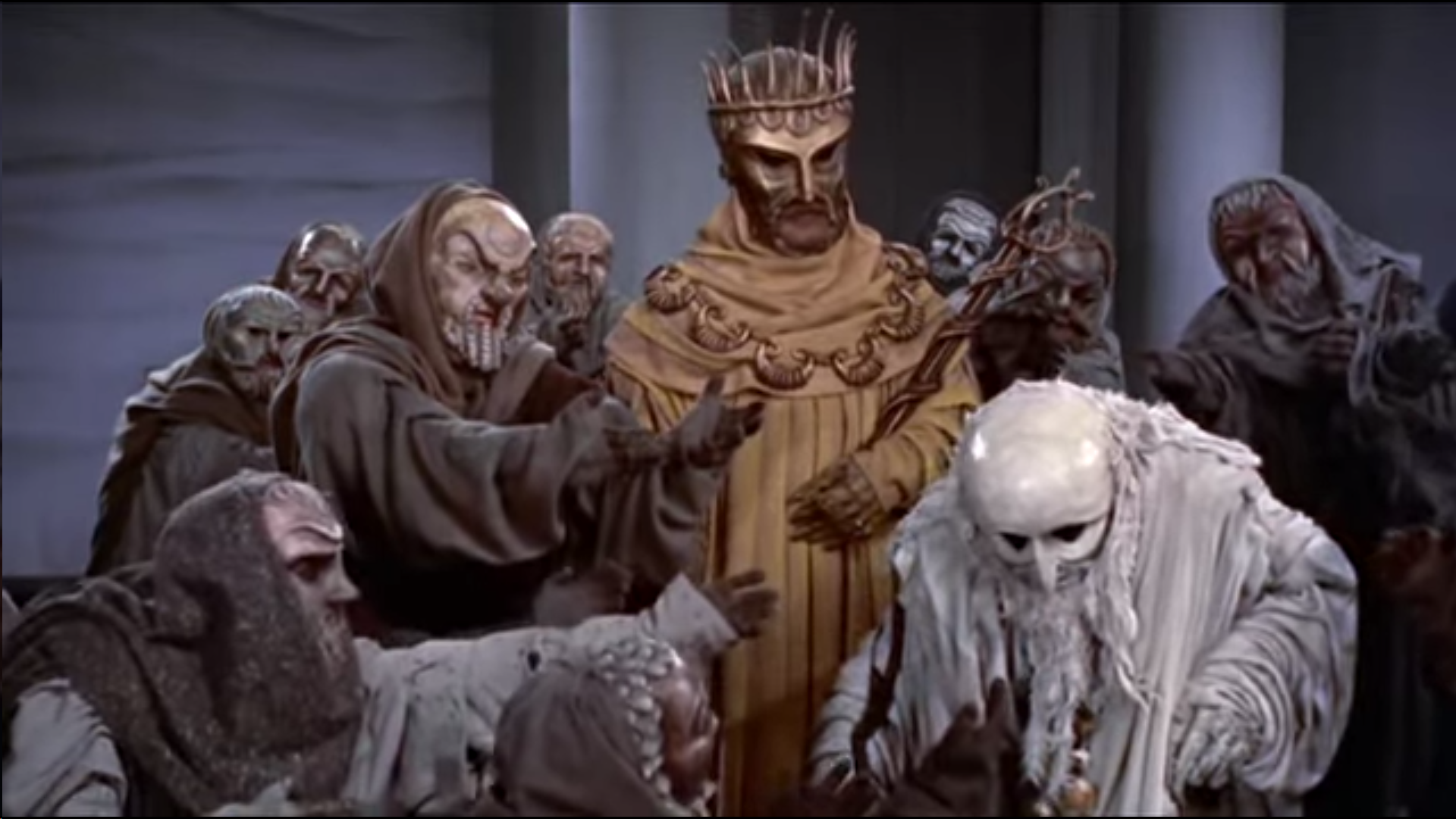
We went on to look at theatre masks, and how they were an aid to indicate what genre of play the audience were watching. But also, how through the use of a mask it helped to reveal hidden parts of the character or actor. A mask can help delve into the subconscious and allow a transformation of an actor… I thought that this concept was really interesting to how costume and props can really add a whole other psychological understanding to a piece of theatre and alter a personality entirely (and of course, I pointed out to my friends that it reminded me of drag!).
And to conclude, a quote all about masks by the one and only, Oscar Wilde…
‘Man is least himself when he talks in his own person. Give him a mask, and he will tell you the truth’
Oscar Wilde


 Oh! You Little Things